
Venezuela could be sitting on a big Bitcoin stash, experts say. Here’s what could happen next
With the deposition of President Nicolás Maduro, international attention has turned to Venezuela's vast oil reserves and its potentially significant holdings of another asset: bitcoin. Experts believe the sanctioned regime likely amassed billions of dollars worth of the cryptocurrency, though its exact size and fate remain shrouded in mystery.
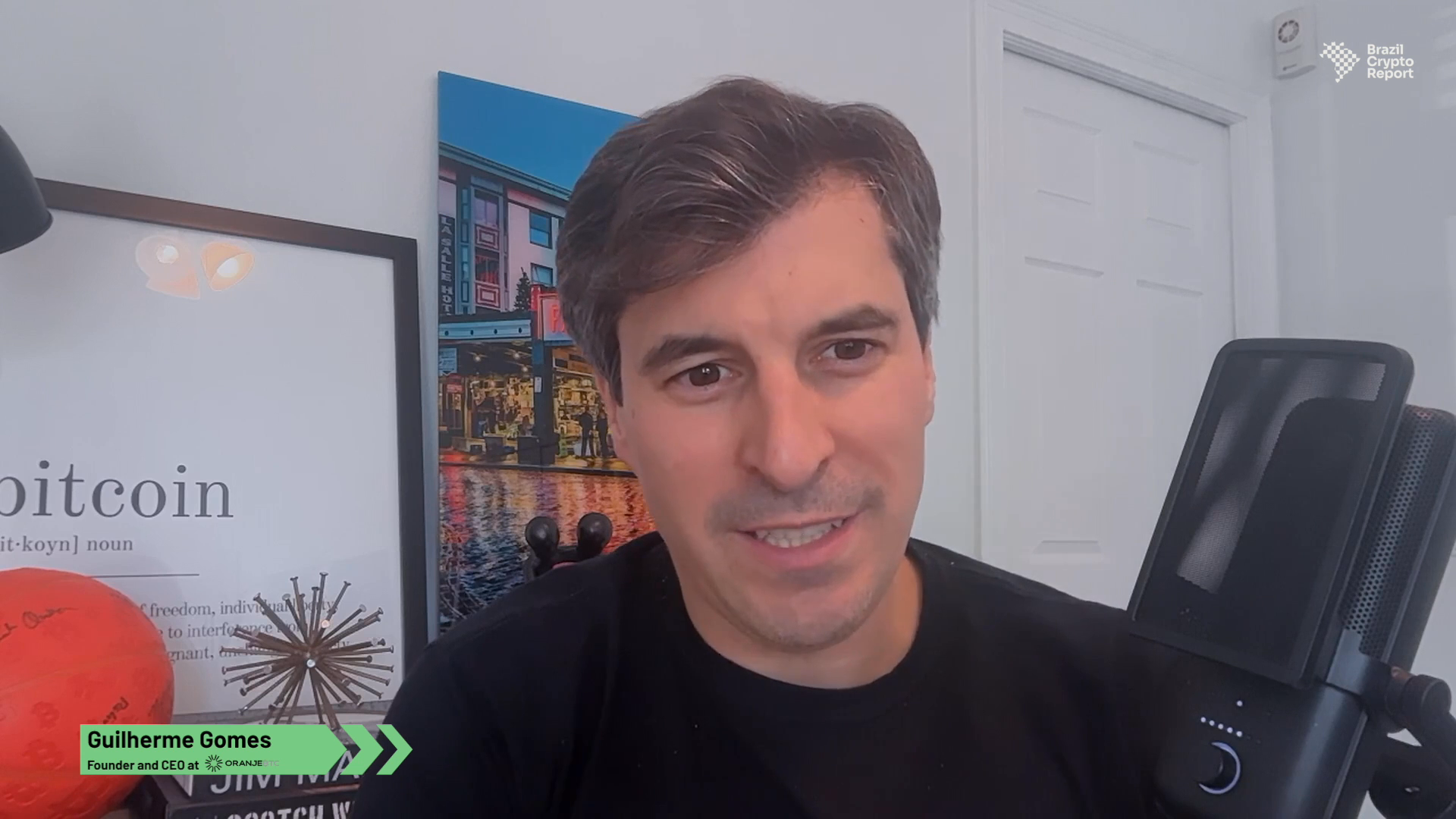
Excluded from the global financial system, Venezuela is thought to have turned to bitcoin as a store of wealth and a tool for cross-border trade. "Given that they were excluded... probably they had gold, bitcoin and some dollars under their mattress," said Gui Gomes, CEO of bitcoin firm OranjeBTC. While estimates vary wildly—from $22 million based on some blockchain analyses to an unconfirmed report of $60 billion—consensus holds that the holdings are meaningful and widely dispersed across thousands of wallets controlled by regime members.
The country's history with digital assets supports this theory. It previously launched (and later abandoned) a state-backed token called the petro, and authorities have a record of seizing bitcoin from miners. The opaque nature of blockchain makes tracking or confirming these holdings nearly impossible, but the motivation was clear.
The key question now is what becomes of this potential crypto treasury. Analysts see several possible outcomes, each with different market implications:
A Regime Fire Sale: In the chaos of a power transition, assets could be liquidated rapidly. "If they have bitcoin, some of that bitcoin could end up on an exchange, or could end up being sold," said Sebastian Pedro Bea of ReserveOne, an event that could pressure bitcoin's price in the short term.
U.S. Confiscation: The United States could seize the assets as part of enforcement actions against Maduro's allies. This prospect has fueled speculation that the Trump administration, which has an executive order to create a "strategic bitcoin reserve," could use confiscated coins to fund this initiative at no taxpayer cost. While legally complex, such a move would likely be viewed as bullish for bitcoin, as the U.S. would be unlikely to dump a strategic reserve onto the market.
Permanent Obfuscation: The decentralized and private nature of bitcoin means the holdings could simply remain hidden or be accessed by remnants of the old regime, escaping any formal seizure or sale.
Regardless of the path, the situation underscores the growing intersection of geopolitics and cryptocurrency. The U.S. intervention in Venezuela highlights the administration's willingness to use hard power, which, coupled with its pro-crypto policy stance, may inadvertently bolster the long-term narrative of digital assets as a geopolitical tool. The coming weeks may reveal whether billions in regime bitcoin enter the light—and who ultimately controls it.
Recent
News



Newsletter
Subscribe to our mailing list to get the new updates!

Subscribe our newsletter to stay updated
Most
Reviews
Finance
.jpg)
Business

Economy
- Sun, 18 Jan 2026
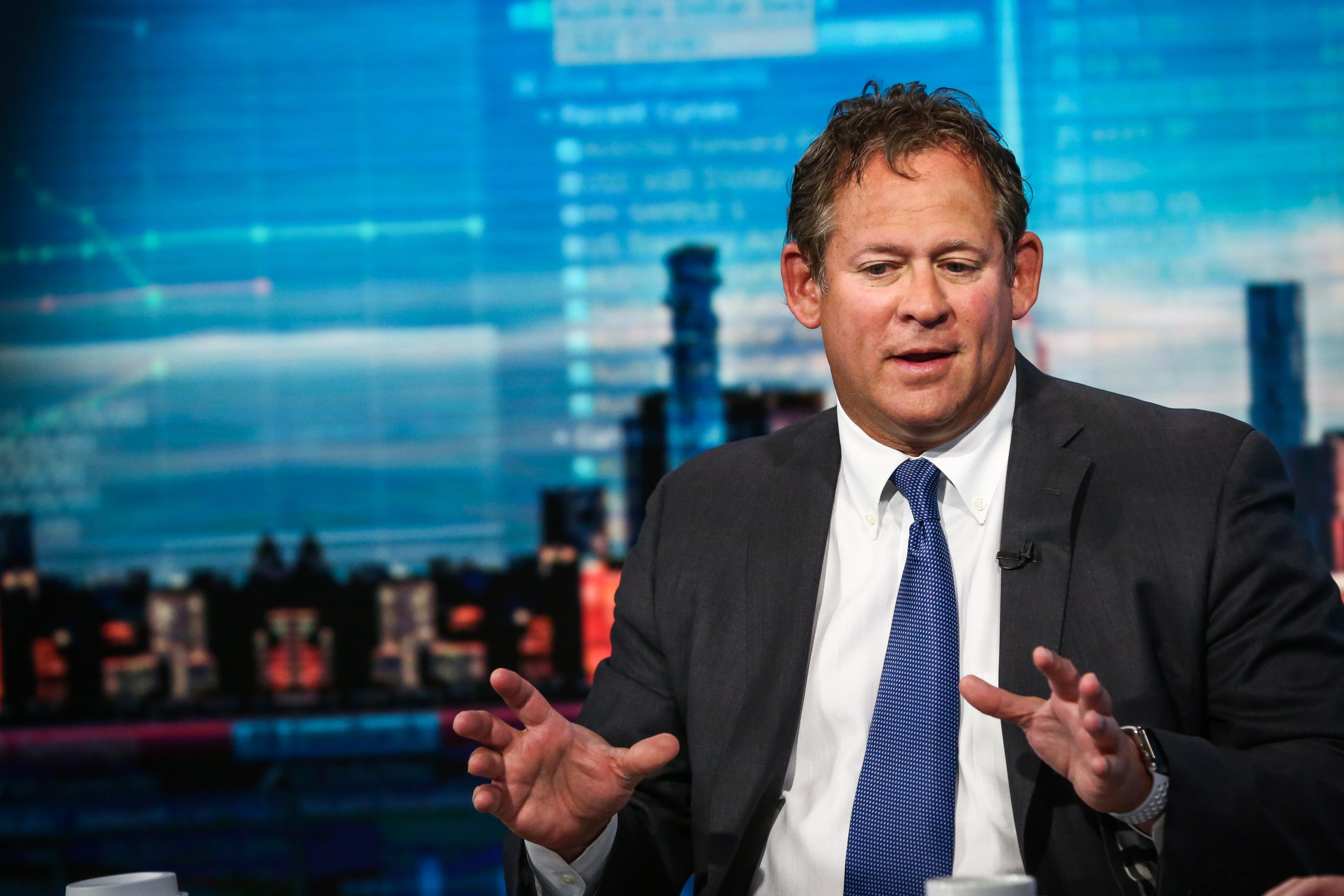
BlackRock’s Rick Rieder bid for Fed chair is gaining traction
Markets

- Fri, 16 Jan 2026